How AI Identified Future Demand Before Consumers Started Shopping.
PLATINUM WINNER | AI FOR BETTER MARKETING 2026
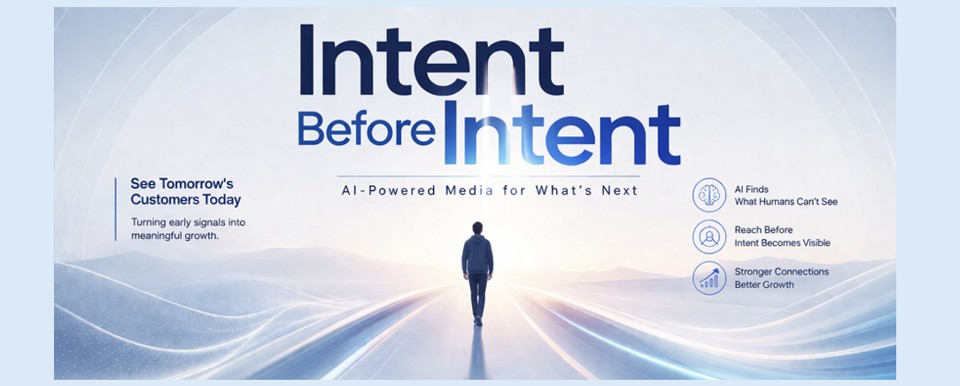
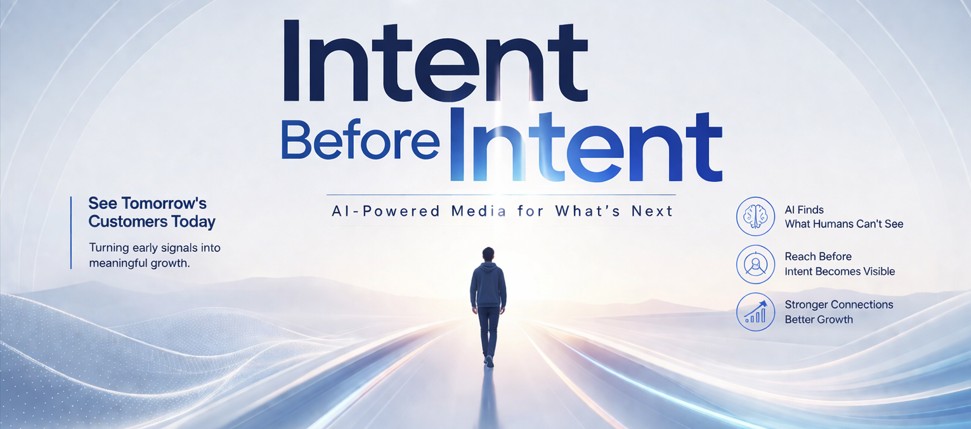
Samsung RMN Upstream (Retail Media Networks) – “Intent Before Intent”
Submitted by Starcom Taiwan
CASE STUDY SUMMARY
Most marketing systems are designed to respond once consumers enter the purchase funnel. Samsung asked a different question: What if brands could recognize emerging demand before consumers actively begin searching for products?
Working with Starcom Taiwan, Samsung developed an AI-powered approach that identified subtle behavioral signals hidden within broader shopping activity. Rather than waiting for consumers to research smartphones directly, the system analyzed patterns that suggested future interest was beginning to form. This allowed Samsung to engage potential buyers earlier in their decision journeys and transform retail media from a conversion tool into a predictive intelligence platform.
The initiative delivered significant improvements in efficiency, conversion performance, and return on marketing investment, while offering a compelling new model for anticipating customer needs.
KEY INSIGHTS
• Demand often begins forming long before consumers enter traditional purchase funnels.
• AI can identify weak signals and emerging behaviors that human analysts may overlook.
• Retail media can serve as a source of predictive intelligence rather than simply a conversion channel.
• Earlier engagement can improve both customer relevance and business performance.
WHY AI WAS USED
The challenge was not a lack of data—it was the ability to detect meaningful patterns within vast amounts of behavioral information.
AI enabled Samsung to analyze complex relationships between browsing activity, shopping behavior, and emerging consumer needs at a scale impossible through manual analysis. By identifying signals associated with future smartphone demand, AI helped the brand move from reactive marketing toward predictive engagement.
HOW AI WORKED WITH HUMAN INSIGHT
While AI identified patterns and opportunities, human marketers provided the strategic context.
The team defined the business challenge, established the signals most likely to indicate future demand, and interpreted the findings within the realities of customer behavior and category dynamics. Human judgment determined how the insights would be applied, while AI provided the scale and analytical power necessary to uncover them.
The result was not automation replacing marketers, but technology augmenting decision-making.
WOULD THIS HAVE BEEN POSSIBLE WITHOUT AI?
Not at this scale.
The initiative depended on the ability to analyze large volumes of behavioral data and identify patterns that emerge long before consumers explicitly express purchase intent. Traditional analysis could identify known audiences; AI enabled Samsung to discover future audiences.
WHAT MARKETERS CAN LEARN
One of the most significant shifts occurring in marketing today is the move from identifying intent to anticipating it.
For years, marketers have focused on reaching consumers when they raise their hands. Samsung’s work suggests that AI can help brands recognize the circumstances that often precede that moment.
The lesson is not simply about targeting. It is about understanding people more deeply and identifying needs before they become visible.
As AI continues to evolve, the brands that gain the greatest advantage may not be those that create more content, but those that learn to see what others cannot yet see.
Campaign Credits
- Brand: Samsung RMN Upstream (Retail Media Networks)
- Submitted by: Starcom Taiwan
- Award: Platinum Winner, AI for Better Marketing 2026
Continue Exploring AI for Better Marketing 2026
See All Winners
View the complete list of Platinum, Gold, Silver, and Special Recognition winners.
Explore the Trends
Discover the signals, patterns, and marketing insights that emerged from this year’s winning entries.